
Fleet availability
- Home
- /
- Fleet availability
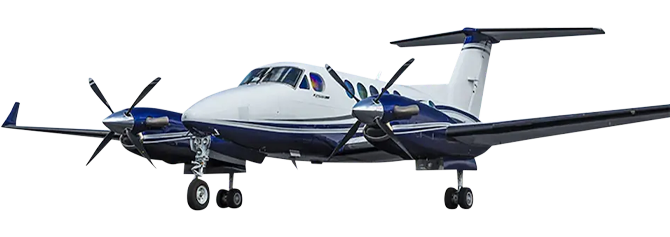
Turboprops & Cargo Aircraft
- DHC-6-200: An upgraded version of the DHC-6-100, offering improved performance and STOL capabilities. It retains the same seating capacity and is widely used for regional services, military transport, and parachute operations.
- DHC-6-300: One of the most popular versions of the Twin Otter, featuring more powerful engines and improved payload capacity. It continues to offer exceptional STOL performance and is used in various roles, including commuter flights, cargo transport, and emergency medical services.
- DHC-6-400: The latest generation of the Twin Otter, with modernized avionics, more efficient engines, and greater reliability. It is capable of carrying up to 19 passengers and is widely used in both civil and military applications, especially in remote or challenging environments.
- Dash 8-200: Similar in size to the Dash 8-100 but with more powerful engines, offering better performance on shorter runways and in hot-and-high conditions. It also has a seating capacity of 37 to 40 passengers.
- Dash 8-300: A stretched version of the Dash 8, capable of carrying 50 to 56 passengers. It offers a longer range and improved performance, making it ideal for busier regional routes.
- Dash 8-400 (Q400): The largest and most modern version of the Dash 8 family, seating up to 90 passengers. The Q400 is renowned for its quiet performance, thanks to noise-reducing technologies (hence the "Q" for "Quiet"). It is widely used for high-demand regional routes, offering a good balance between speed, efficiency, and passenger comfort.
- Dash 8-400 (Q400F / P2F): A converted freighter version of the Q400, capable of carrying approximately 8–9 tonnes of cargo. It is used for short to medium haul regional cargo operations, offering high speed compared to other turboprops.
- ATR 42-500: A more advanced version with updated engines, improved performance, and enhanced passenger comfort.
- ATR 42-500F / 600F (Freighter): Dedicated or converted cargo versions with payload around 5–6 tonnes, used for regional cargo operations.
- ATR 72-500: Known for its efficiency and range, with updated engines and avionics, seating up to 74 passengers.
- ATR 72-500F / 600F (Freighter): Widely used regional freighters with payload up to 8–9 tonnes, commonly used by express logistics operators.
- ATR 72-600: The latest version, with advanced cockpit technology and improved fuel efficiency, seating up to 78 passengers.
- Beechcraft 1900C: A 19-passenger turboprop used for regional airline service and cargo transport.
- Beechcraft 1900D: An updated version with a larger cabin allowing passengers to stand upright, making it more popular for commuter airlines.
- Saab 340A: A regional turboprop seating up to 34 passengers, known for its reliability and efficiency on short regional routes.
- Saab 340B: An upgraded version of the 340A, with more powerful engines and improved performance in hot-and-high conditions.
- Dornier 228-100: A regional turboprop aircraft known for its versatility and STOL capabilities.
- Dornier 228-200: An upgraded version with improved engines and performance.
- Dornier 228 NG: The new generation, now produced by RUAG, offering modern avionics and better fuel efficiency.
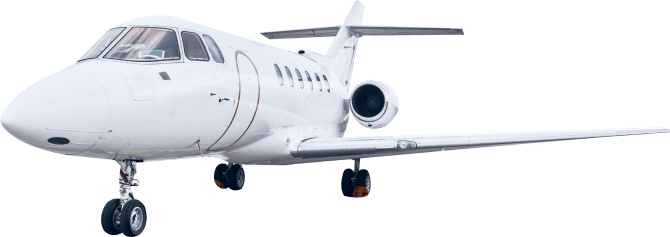
Commercial & Regional Jets
- ERJ 140: A slightly larger version of the ERJ 135, seating up to 44 passengers. It provides more capacity while still being suitable for regional routes.
- ERJ 145: The largest in the ERJ family, typically seating 50 passengers. It is popular among regional airlines for its range, efficiency, and ability to operate in smaller airports, often used for short- to medium-range routes.
- Embraer 175: A slightly stretched version of the E170, capable of carrying 76 to 88 passengers. It is popular among North American regional airlines and offers increased range and capacity.
- Embraer 190: A larger model with seating for 96 to 114 passengers, depending on the configuration. The E190 has proven popular with both low-cost carriers and mainline airlines for its balance of capacity and range, typically used on medium-range routes.
- Embraer 195: The largest of the original E-Jet family, typically seating between 100 and 124 passengers. It is well-suited for high-demand regional routes and short-haul international flights.
- CRJ200: A more advanced version of the CRJ100, offering improved engines and fuel efficiency. It retains the same seating capacity (up to 50 passengers) and is widely used for short regional flights.
- CRJ700: A stretched variant of the CRJ family, seating between 66 and 78 passengers. It offers greater capacity and range than the CRJ100/200 models, making it ideal for busier regional routes.
- CRJ900: A further stretched version of the CRJ700, capable of seating up to 90 passengers. It is popular with airlines looking to replace smaller jets while maintaining fuel efficiency and operational flexibility on regional routes.
- CRJ1000: The largest member of the CRJ family, typically configured for 100 to 104 passengers. It is designed for higher-capacity regional routes and offers excellent fuel efficiency and passenger comfort for short- to medium-haul flights.
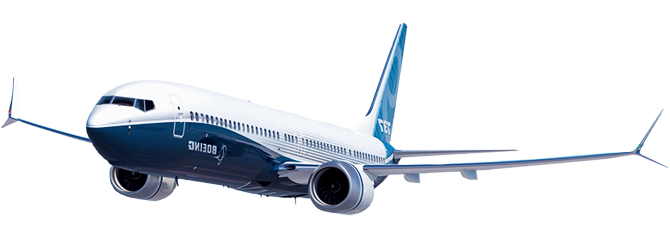
Airbus (Narrowbody Commercial Jets and Widebody Commercial & Cargo Aircraft)
- A220-300: A stretched version of the A220-100, seating 130-160 passengers. Popular for regional and medium-haul routes with greater capacity.
- A319neo: The New Engine Option version, providing enhanced fuel efficiency and lower emissions while maintaining similar capacity and range as the A319-100.
- A320-200: The most popular A320 variant, seating 140-180 passengers, used for short- to medium-haul routes globally.
- Airbus A320-200P2F (Passenger-to-Freighter): A converted freighter version of the A320, with a payload of approximately 21–23 tonnes. Used for short to medium haul cargo operations.
- A320neo: The New Engine Option version, offering improved fuel efficiency and reduced emissions, with seating for 150-186 passengers.
- A321-200: An improved version with better range and capacity, widely used on busier short- to medium-haul routes.
- Airbus A321-200P2F (Passenger-to-Freighter): A larger narrowbody freighter with payload up to ~27 tonnes, increasingly popular for express cargo and e-commerce logistics.
- A321neo LR (Long Range): Designed for long-haul routes, offering extended range with fewer passengers, often used for transatlantic flights.
- A321neo XLR (Extra Long Range): An extended range variant for long-haul flights, providing even more range than the LR version, often competing with widebody aircraft on certain routes.
- A330-300: The larger version of the A330 family, typically seating 277-300 passengers, designed for long-haul routes with a focus on passenger comfort and efficiency.
- A330-800neo: The next-generation version of the A330-200, offering enhanced fuel efficiency and range due to new engine technology.
- A330-900neo: The largest version of the A330neo family, capable of seating 260-300 passengers with improved range and fuel efficiency over previous models.
- A330 Freighter: A cargo version of the A330, with a payload capacity of approximately 65 tonnes, used for medium- and long-haul freight operations.
- A340-300: The most popular variant of the A340 family, seating 295 passengers, widely used for long-haul international flights.
- A340-500: Designed for ultra-long-range routes, with a seating capacity of around 313 passengers. Known for its exceptional range (over 16,000 km).
- A340-600: The largest A340 variant, seating up to 380 passengers. It was designed for high-capacity long-haul routes and offered one of the longest ranges of any commercial aircraft.

Boeing (Narrowbody Commercial Jets and Widebody Commercial & Cargo Aircraft)
- 737-400: A stretched version with seating for 146-188 passengers, ideal for higher-capacity routes.
- 737-500: A smaller version with better range and fuel efficiency, typically used for shorter routes.
- 737-800 Freighter: A newer converted freighter version of the 737, with a higher cargo capacity (up to 23.9 tonnes), offering improved fuel efficiency and performance for medium-haul routes.
- 737-800: The most popular NG model, seating 162-189 passengers, used on a wide variety of routes globally.
- 737-900: The largest NG variant, seating 178-220 passengers, designed for high-density, medium-haul routes.
- 737 MAX 9: A stretched variant with seating for 193-220 passengers, ideal for high-demand short- and medium-haul routes.
- 747-8F (Freighter): The latest freighter version of the 747, with a cargo capacity of 140 tonnes. It is widely used for long-haul, high-volume cargo operations.
- 767-300: A stretched version of the 767-200, seating 218-269 passengers. It is popular on transatlantic and transpacific routes.
- 767-400ER: The largest version of the 767 family, with extended range capabilities, seating up to 245 passengers.
- 767 Freighter: A cargo version of the 767, capable of carrying up to 52 tonnes, used for medium- and long-haul cargo routes.
- 777-200ER: The extended-range version of the 777-200, offering improved range for long-haul international routes.
- 777-300: A stretched version of the 777-200, seating 368-451 passengers, designed for high-capacity, long-haul routes.
- 777-300ER: The extended-range version of the 777-300, widely used for long-haul, high-capacity flights. One of the most popular aircraft for international routes.
- 777 Freighter: A cargo version of the 777-200LR, capable of carrying around 103 tonnes of cargo, used for long-haul cargo routes globally.
- 787-9: A stretched version of the 787-8, seating 280-290 passengers, offering extended range and greater passenger capacity.
- 787-10: The largest version of the 787 family, seating 318 passengers. It is designed for high-capacity, long-haul routes with excellent fuel efficiency and passenger comfort.
Aircraft Availability Disclaimer
1. Subject to Prior Lease or Sale: Aircraft availability is contingent on the aircraft not being subject to any existing lease agreements or sales at the time of inquiry. Availability is provided on a first-come, first-served basis and may change without notice.
2. Final Confirmation of Availability: Availability is not guaranteed until a formal agreement has been executed between the lessee and the lessor. Any verbal or written communication indicating potential availability is not legally binding and is subject to confirmation.
3. Regulatory Approvals: All aircraft availability is subject to the relevant regulatory approvals required for operation in the desired jurisdiction. Both parties must comply with applicable laws and regulations, including airworthiness certifications and operational permits.
4. Condition of Aircraft: The condition of the aircraft at the time of leasing or sale is subject to inspection and mutual agreement between the lessor and the lessee. Any modifications, upgrades, or maintenance required prior to lease or sale will be agreed upon by both parties and reflected in the final contract.
5. Changes in Availability: Aircraft availability may be affected by unforeseen circumstances, such as maintenance issues, operational disruptions, or force majeure events, including but not limited to natural disasters, government actions, or other events beyond the control of either party.
6. Pricing and Terms: All pricing, terms, and conditions of lease or sale are subject to negotiation and final agreement. Quoted prices may vary based on market conditions and specific requirements outlined by the lessee.
7. Right to Withdraw: Flight-Fleet reserves the right to withdraw any listed aircraft from availability at any time prior to the execution of a formal lease or sale agreement without incurring any liability.
8. No Warranty: All information regarding aircraft availability, condition, and specifications is provided in good faith, but Flight-Fleet makes no express or implied warranty regarding the aircraft’s continued availability, condition, or suitability for the lessee’s intended use.